












Every year, people spend thousands on gadgets, clothes, and furniture that lose their charm within months. Yet ask anyone about their happiest memory, and they rarely mention a possession. They talk about a sunrise trek, a surprise dinner under the stars, or a spontaneous road trip with friends. This shift in what truly makes us happy is why experiences—especially rare and unique ones—are becoming the new currency of a fulfilling life. From thrilling adventures to luxury getaways, unique experiences shape who we are far more than material things ever could. This blog explores why memorable moments matter more than possessions, and how choosing experiences over things can transform the way we live, connect, and grow.
Why Experiences Outshine Material Possessions
Psychologists have long studied the “experience versus possession” debate, and the results consistently favor experiences. A new phone brings excitement for a week; a hot air balloon ride at sunrise brings a story you’ll tell for decades. Material things depreciate—both in function and emotional value—while experiences appreciate with time. Memories get polished with nostalgia, and even the imperfect parts of a trip or event often become the funniest, most cherished details later.
This happens because experiences are deeply tied to identity. When you go paragliding for the first time or attend a once-in-a-lifetime cultural festival, you’re not just doing an activity—you’re becoming someone who has done it. That transformation sticks with you long after the moment ends, shaping your confidence, perspective, and stories.
The Rise of “Experience-First” Spending
Modern travelers and consumers are increasingly choosing to spend on doing rather than owning. Luxury adventure tourism, private yacht charters, hot-air ballooning, scuba diving expeditions, and exclusive access events are booming industries—not because people have more money, but because they value time and memories more than clutter. Even everyday spending patterns reflect this: subscription-based experiences, curated getaways, and once-in-a-lifetime services are replacing traditional gift-giving and shopping habits.
This mindset shift is especially visible among younger generations, who prioritize meaningful moments over ownership. They would rather save for a safari in Africa or a private cooking class with a renowned chef than buy another material item that sits idle in a closet.
Adventure: The Thrill That Creates Lasting Memories
Adventure experiences—skydiving, mountain trekking, scuba diving, white-water rafting—offer something material purchases simply cannot: adrenaline mixed with achievement. These moments push people outside their comfort zones, creating a sense of accomplishment that boosts self-esteem and resilience.
Unlike objects that fade into the background of daily life, adventure experiences remain vivid because they engage multiple senses and emotions simultaneously. The rush of jumping off a cliff, the sound of rushing river rapids, the view from a mountain summit—these sensory memories are stored differently in the brain, making them far more memorable than routine purchases.
Adventure also fosters personal growth. Facing fears, testing limits, and overcoming physical or mental challenges during these experiences build character in ways that shopping never can. People often return from adventurous trips feeling more confident, more adaptable, and more aware of their own capabilities.
Events: Shared Moments That Build Connection
Attending a live concert, a Formula 1 race, a private art exhibition, or an exclusive product launch offers something deeply human: shared emotion. Events create a collective energy that strengthens social bonds and forms memories tied not just to the event itself, but to the people you experienced it with.
Unlike a purchased item that you enjoy alone, event-based experiences are often shared—with friends, family, or even strangers who become part of your story. That shared emotional high, whether it’s cheering at a stadium or clinking glasses at a rooftop gala, cannot be replicated by any physical object.
Furthermore, rare events—ones you may attend only once in your lifetime—carry a sense of exclusivity and urgency that increases their emotional value. The rarity itself becomes part of what makes the memory special.
Luxury Services: Elevating the Ordinary into the Extraordinary
Luxury doesn’t always mean expensive items; increasingly, it means expertly curated experiences. Private chef dinners, spa retreats in remote locations, first-class travel, or personalized concierge services offer more than comfort—they offer transformation. These services are designed around attention to detail, personalization, and exclusivity, making the person feel valued in a way mass-produced goods cannot.
Luxury experiences also tend to be deeply personalized, meaning no two people’s journeys are exactly alike. This individuality adds emotional weight—when something is crafted specifically for you, it becomes far more meaningful than something bought off a shelf.
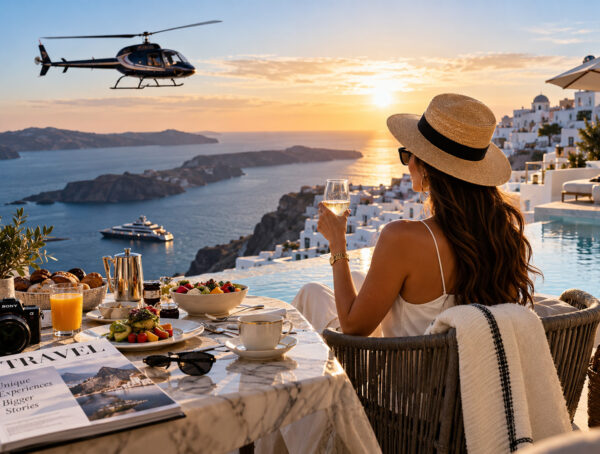
Moreover, luxury services often blend adventure and exclusivity, such as private safari lodges, helicopter tours over iconic landmarks, or invitation-only culinary experiences. These rare opportunities create memories that feel almost surreal, elevating ordinary life into something extraordinary.
The Psychological Science Behind Memorable Moments
Research in positive psychology reveals that experiential purchases lead to greater long-term happiness than material ones. This is largely due to three reasons:
- Adaptation resistance – We adapt quickly to material possessions, but experiences resist this adaptation because they are unique and time-bound.
- Social connection – Experiences often involve other people, strengthening relationships and creating shared narratives.
- Identity formation – Experiences become part of our personal story, shaping how we see ourselves and how others perceive us.
This is why people are more likely to regret not traveling or not trying something new, rather than regretting not buying an item. The FOMO (fear of missing out) associated with experiences is stronger and more persistent than that associated with material goods.
How to Prioritize Experiences in Everyday Life
You don’t need to book a luxury cruise every month to embrace experience-first living. Start small:
- Choose a weekend adventure over a shopping spree.
- Attend a local event or festival you’ve never explored.
- Save for one significant, rare experience each year instead of multiple small purchases.
- Treat yourself to a luxury service occasionally, such as a spa day or private dining experience, to break the monotony of routine life.
The key is intentionality—choosing moments that will create stories, growth, and connection rather than clutter.
Conclusion
At the end of the day, life is measured not by what we own but by what we remember. Unique experiences—whether it’s a heart-pounding adventure, an unforgettable event, or an indulgent luxury service—leave imprints that material things simply cannot match. They shape our identities, deepen our relationships, and give us stories worth telling for a lifetime. As more people embrace experience-first living, it’s clear that the real value lies not in things we accumulate, but in memories we create. Choosing experiences over possessions isn’t just a trend; it’s a meaningful shift toward a richer, more fulfilling way of living.
FAQs
Why do experiences make people happier than material purchases?
Experiences create lasting emotional value through identity growth and social connection, while material items lose excitement quickly due to fast psychological adaptation over time.
What types of experiences are considered the most memorable?
Adventure activities, live events, and personalized luxury services rank highest, as they combine emotion, novelty, and social interaction—key ingredients for forming vivid, lasting memories.
How can someone start prioritizing experiences over possessions?
Begin by allocating a portion of monthly spending toward activities, travel, or events instead of items, gradually shifting habits toward intentional, memory-focused living choices.

More from Unique Experiences

Unique Experiences for Curious Minds: Explore New Skills, Places & Perspectives
Life often moves in a predictable rhythm—work, routine, repeat. But for those who crave more, the world offers experiences that …

Unique Experiences Around the World: Discover Culture, History & Local Traditions

Travel today is no longer just about ticking famous landmarks off a list. More and more explorers are chasing unique …
Unique Experiences for Modern Travelers: Luxury Services, Adventures & Exclusive Events
Travel has evolved far beyond checking landmarks off a list. Today's explorers want more than a photo at a famous …