












In today’s fast-paced world, slowing down feels almost radical. Between endless notifications, packed schedules, and the pressure to always be “on,” our minds and bodies rarely get the rest they deserve. This is where the philosophy of wellness & spa steps in — not as a luxury, but as a necessity. It’s a gentle reminder that taking care of yourself isn’t selfish; it’s essential. In this blog, we’ll explore how mindful living, restorative practices, and intentional self-care can transform the way you experience everyday life, one calm breath at a time.
Understanding the True Meaning of Wellness & Spa
When most people hear the word “spa,” they picture scented candles, warm towels, and a quiet room with soft music playing in the background. While that image isn’t wrong, it only scratches the surface. True wellness & spa culture is rooted in a much deeper idea — the belief that physical relaxation and mental clarity are deeply connected. It’s not just about pampering your skin or muscles; it’s about creating space for your nervous system to reset.
Wellness, at its core, is a holistic state of being. It considers your physical health, emotional balance, mental clarity, and even your social and spiritual wellbeing. A spa, in this broader sense, becomes a sanctuary where all these elements are nurtured together. Whether it’s a full-day retreat or a ten-minute ritual at home, the goal remains the same: to help you reconnect with yourself.
Why Mindful Living Matters More Than Ever
We live in an era of constant stimulation. Screens compete for our attention, deadlines pile up, and even our “downtime” is often spent scrolling rather than truly resting. This is exactly why mindful living has become such a vital part of the modern wellness & spa conversation.
Mindfulness simply means being present — fully aware of what you’re doing, feeling, and experiencing in the moment, without judgment. It sounds simple, but in practice, it’s a skill that takes time to build. The beauty of pairing mindfulness with spa-inspired rituals is that they naturally slow you down. A warm bath, a gentle massage, or even the act of applying a face mask can become a meditative practice when done with intention rather than rushed through as another task on your to-do list.
Practicing mindfulness doesn’t require expensive treatments or exotic locations. It can be as simple as:
- Taking five slow, deep breaths before starting your day
- Enjoying your morning tea or coffee without distractions
- Paying attention to how your body feels during a stretch or walk
- Journaling for a few minutes to process your thoughts
These small acts, repeated consistently, build a foundation of calm that supports everything else in your life.
The Role of Rest in a Wellness & Spa Lifestyle
Rest is often misunderstood as laziness, when in reality, it’s one of the most productive things you can do for your body and mind. Chronic sleep deprivation and lack of downtime are linked to increased stress, weakened immunity, and reduced focus. This is why rest sits at the very heart of any genuine wellness & spa experience.
True rest goes beyond just sleeping eight hours a night, though that’s certainly important. It includes:
Physical rest — giving your muscles and joints time to recover through gentle movement, stretching, or spa therapies like massages and hydrotherapy.
Mental rest — stepping away from decision-making and information overload, even if just for a short walk without your phone.
Emotional rest — allowing yourself to feel your emotions without immediately trying to fix or suppress them.
Sensory rest — reducing exposure to bright screens, loud noises, and constant notifications, especially before bedtime.
A well-designed spa environment intuitively supports all four types of rest — dim lighting, calming scents, soft textures, and quiet spaces all work together to help your nervous system shift out of “fight or flight” mode and into a state of genuine relaxation.
Building Your Own Self-Care Ritual
You don’t need to book a weekend retreat to enjoy the benefits of a wellness & spa mindset. Self-care rituals, when practiced consistently, can be just as powerful as an occasional splurge. The key is intention — approaching these moments as sacred rather than rushed.
Here’s how you can build a simple, sustainable self-care routine at home:
- Start with your environment. Dim the lights, light a candle, or play soft instrumental music. Your surroundings set the tone for relaxation.
- Incorporate touch. Whether it’s a facial massage, a warm oil rub on your hands, or a hot compress on tired shoulders, touch has a remarkable ability to calm the nervous system.
- Use your senses. Aromatherapy with essential oils like lavender, eucalyptus, or chamomile can instantly shift your mood and signal your brain that it’s time to unwind.
- Hydrate, inside and out. Drink enough water throughout the day and consider a moisturizing body treatment to nourish your skin.
- End with stillness. Spend a few minutes simply sitting in silence, allowing your thoughts to settle before moving on with your day.
These rituals don’t have to be elaborate. Even fifteen minutes of undivided attention to yourself can make a noticeable difference in how you feel, think, and show up for the rest of your day.
How Wellness & Spa Practices Support Long-Term Health
The benefits of embracing a wellness & spa lifestyle extend far beyond momentary relaxation. Research and anecdotal experience alike point to a range of long-term advantages:
- Reduced stress hormones — regular relaxation practices help lower cortisol levels, which in turn supports better sleep, digestion, and immune function.
- Improved circulation — treatments like massage and hydrotherapy stimulate blood flow, aiding in muscle recovery and overall vitality.
- Better emotional regulation — mindfulness and rest create space to process emotions rather than letting them build up.
- Enhanced skin and physical appearance — consistent self-care routines often lead to healthier skin, better posture, and increased energy levels.
- Stronger mind-body connection — over time, these practices help you become more attuned to what your body actually needs, rather than pushing through discomfort or exhaustion.
When self-care becomes a habit rather than an occasional indulgence, its effects compound. What starts as a single spa day can evolve into a lifestyle shift that touches every part of your wellbeing.
Bringing It All Together
At its heart, the idea of wellness & spa is about permission — permission to slow down, to prioritize yourself, and to treat rest as productive rather than indulgent. It’s not about escaping your life, but about returning to it with more clarity, energy, and calm.
Whether you’re stepping into a professional spa for a day of pampering or simply setting aside a quiet evening at home with candles and calming music, the intention behind the practice matters most. Mindful living, genuine rest, and thoughtful self-care aren’t luxuries reserved for special occasions — they’re tools we can, and should, weave into our everyday lives.
So the next time life feels overwhelming, remember that a little wellness & spa time isn’t a break from your responsibilities — it’s what makes you capable of handling them well. Start small, stay consistent, and watch how these mindful moments reshape your relationship with yourself, one restful breath at a time.

More from Wellness & Spa
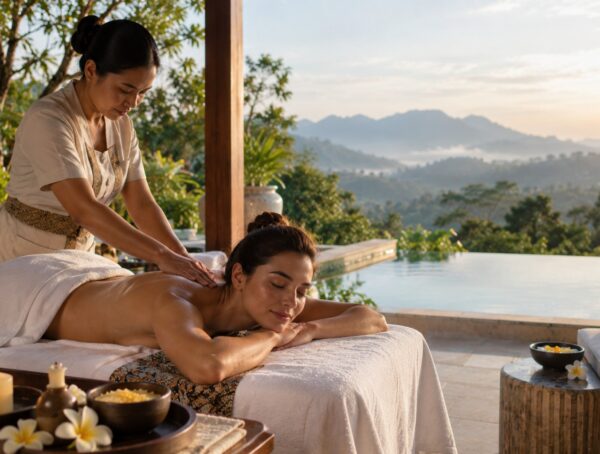
Wellness & Spa Inspiration: Simple Ways to Create a More Relaxing Daily Routine

In a world that never seems to slow down, relaxation has quietly become a luxury we all deserve. From the …
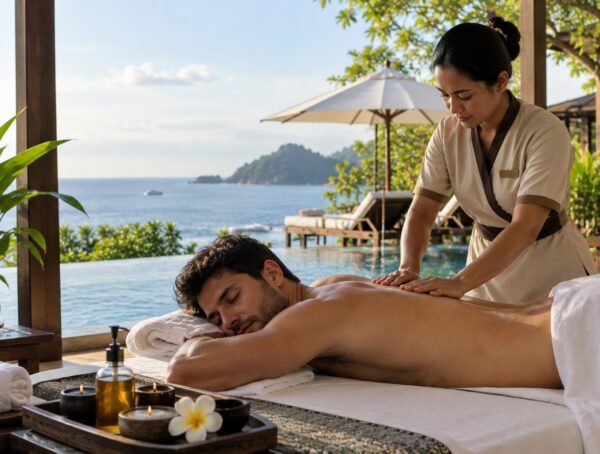
Wellness & Spa: How Wellness Culture Is Changing the Way We Relax and Recharge
Modern life has changed how people think about rest, health, and personal time. Relaxation is no longer limited to occasional …

Wellness & Spa Guide: Top Retreats, Emerging Trends & Holistic Luxury
Modern life moves fast, and rest has become a rare luxury rather than a daily habit. That's why the wellness …