












Travel has evolved far beyond checking landmarks off a list. Today’s explorers want more than a photo at a famous monument — they want stories worth telling. This shift has given rise to a new kind of traveler, one who prioritizes depth over distance and meaning over mileage. From private villas tucked into hillsides to helicopter rides over untouched terrain, the modern journey is defined by moments that can’t be replicated. In this blog, we explore how luxury services, thrilling adventures, and exclusive events are reshaping the way people see the world — and why seeking out unique experiences has become the new mark of a well-traveled life.
The Changing Face of Modern Travel
A decade ago, travel was largely transactional: book a flight, reserve a hotel, visit a few attractions, and return home with souvenirs. Today, that formula feels incomplete. Travelers now research destinations the way they research life decisions — reading reviews, watching creator content, and asking, “What will I actually feel there?”
This mindset shift has fueled demand for immersive, personalized journeys. People aren’t just buying transportation and accommodation anymore; they’re investing in access — access to places, people, and moments that feel earned rather than purchased off a shelf. It’s this hunger for something different that has made unique experiences the centerpiece of modern trip planning, replacing the generic itinerary with something far more personal.
Luxury Services: Comfort Meets Customization
Luxury travel used to mean thread counts and infinity pools. While comfort still matters, today’s luxury traveler wants service that adapts to them, not the other way around.
Private concierge planning has become one of the most sought-after luxury additions. Instead of following a fixed tour schedule, travelers work with dedicated planners who curate each day around personal interests — a sunrise vineyard tour for wine lovers, a private chef’s table for foodies, or an after-hours museum walkthrough for art enthusiasts.
On-demand transportation, from chauffeured cars to private jets and yachts, removes the friction of logistics entirely. When travelers aren’t worrying about schedules or transfers, they have more room to actually absorb the destination.
Wellness-integrated stays are also on the rise, blending five-star hospitality with personalized spa rituals, private yoga sessions, and nutrition plans tailored to the traveler’s goals. This isn’t indulgence for its own sake — it’s a recognition that true relaxation requires a break from routine, and few things break routine like unique experiences designed specifically around the individual.
Adventure Travel Redefined
Adventure tourism has always attracted thrill-seekers, but the definition of “adventure” has expanded dramatically. It’s no longer limited to extreme sports; it now includes anything that pushes a traveler slightly outside their comfort zone in a rewarding way.
Consider the rise of expedition-style travel — small-group journeys to remote glaciers, volcanic landscapes, or deep jungle ecosystems, often led by local experts and researchers. These trips prioritize discovery over convenience, offering access to places most tourists never see.
Skill-based adventures are another growing category. Travelers now book trips centered around learning something new: falconry in the countryside, free-diving in tropical waters, or off-road driving through desert terrain. The goal isn’t just adrenaline; it’s mastery and memory combined.
Even soft adventure — hot air ballooning at dawn, stargazing in a desert observatory, or kayaking through bioluminescent bays — has surged in popularity because it delivers wonder without requiring extreme physical exertion. What ties all of these together is intention. Adventure travelers today aren’t chasing danger; they’re chasing unique experiences that leave a lasting imprint long after the trip ends.
Exclusive Events: Access as the New Luxury
If luxury services offer comfort and adventure offers thrill, exclusive events offer something else entirely: belonging. There’s a particular kind of magic in being part of something limited — a private concert in a centuries-old courtyard, a fashion preview before the public ever sees it, or a supper club hosted by a renowned chef in an undisclosed location.
Cultural immersion events — think traditional festivals opened to a small group of outside guests, or artisan workshops held in a family’s generations-old studio — allow travelers to participate rather than merely observe. This kind of access can’t be booked through a standard travel package; it requires relationships, local knowledge, and careful planning.
Members-only gatherings, from yacht club evenings to invitation-only art exhibitions, have also become a defining feature of high-end travel itineraries. These events aren’t advertised widely, which is precisely their appeal — scarcity creates significance.
For many travelers, the real return on investment isn’t the destination itself but the story that comes with it: “We were the only ones there.” That sense of exclusivity is exactly what makes these outings feel like true unique experiences rather than another stop on a checklist.
Why Modern Travelers Crave the Unusual
Several forces are driving this shift toward personalized, non-traditional travel.
First, social saturation. With so many destinations already documented online, travelers are searching for moments that haven’t been filtered a thousand times before. Predictability has lost its appeal.
Second, time scarcity. Many modern travelers have less vacation time than previous generations, so every trip needs to count. A generic beach holiday competes poorly against a week that includes a private cooking class, a sunrise trek, and a small-group cultural event.
Third, emotional value. Research on travel psychology consistently shows that people remember emotionally resonant moments far longer than logistical ones. Nobody reminisces about airport lounges — but they do remember the night they watched a meteor shower from a private desert camp.
Together, these factors explain why the travel industry has pivoted so heavily toward curated offerings. Businesses that once sold rooms and seats now sell memories, and the ones succeeding are those that consistently deliver unique experiences their competitors simply can’t replicate.
How to Curate Your Own Unique Experiences
You don’t need unlimited resources to build a more meaningful trip — you need intention. A few practical starting points:
- Work backward from emotion. Ask what feeling you want from the trip — awe, relaxation, connection, challenge — and choose activities that serve that feeling rather than a generic bucket list.
- Prioritize small-group or private options. Even a modest upgrade from a large tour bus to a small guided group can transform the quality of an experience.
- Talk to locals early. Some of the richest unique experiences never appear in guidebooks; they come from a conversation with a shop owner, a driver, or a host who knows the destination beyond its surface.
- Leave room in the schedule. Overpacked itineraries leave little space for the unplanned moments that often become the most memorable part of a trip.
- Invest where it matters most. Splurge selectively — one exceptional dinner or private tour can outweigh a dozen average ones.

More from Unique Experiences
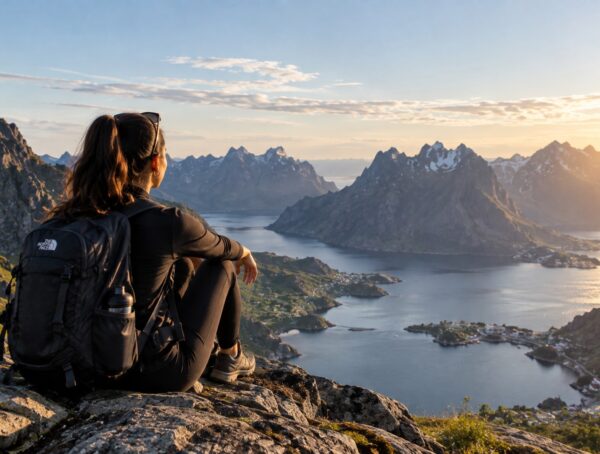
Unique Experiences for Curious Minds: Explore New Skills, Places & Perspectives

Life often moves in a predictable rhythm—work, routine, repeat. But for those who crave more, the world offers experiences that …
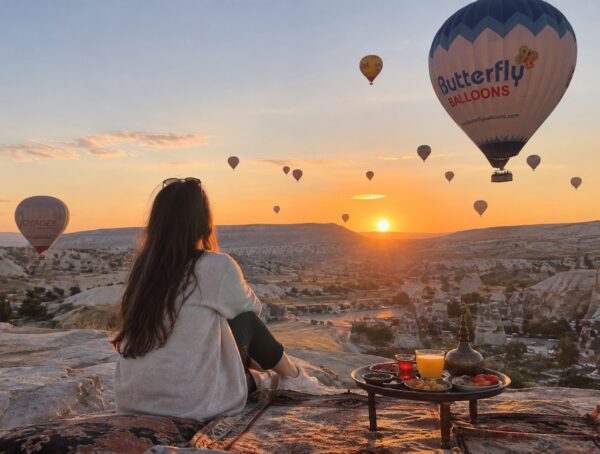
The Value of Unique Experiences: Why Memorable Moments Matter More Than Things
Every year, people spend thousands on gadgets, clothes, and furniture that lose their charm within months. Yet ask anyone about …
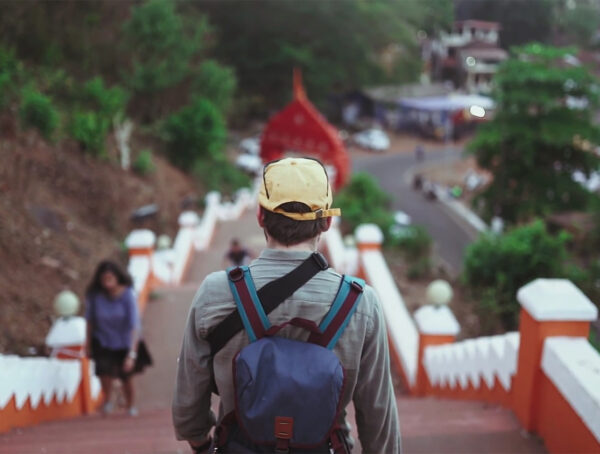
Unique Experiences Around the World: Discover Culture, History & Local Traditions
Travel today is no longer just about ticking famous landmarks off a list. More and more explorers are chasing unique …