












Every morning, before we speak a single word, we’ve already told the world something about ourselves. The clothes we choose, the colors we favor, the way we layer or accessorize — this is fashion & style in its most honest form. It’s not just about looking good; it’s about communicating who we are without saying a thing. In today’s fast-moving, image-driven world, fashion & style has become one of the most powerful tools for personal identity. This blog explores how our sartorial choices go far beyond trends, shaping confidence, culture, and the very way we understand ourselves.
What Does Fashion & Style Really Mean?
People often use “fashion” and “style” interchangeably, but they’re not quite the same thing. Fashion refers to the collective trends, seasonal shifts, and industry-driven movements that dominate runways and retail shelves. Style, on the other hand, is deeply personal — it’s how an individual interprets, adapts, or even rejects those trends to create something uniquely their own.
Together, fashion & style form a fascinating relationship. Fashion gives us the raw materials — silhouettes, fabrics, colors, cuts — while style is the lens through which we filter those materials into a personal statement. A trend can sweep through the industry, but how each person wears it, mixes it, or reinterprets it is where true individuality lives. This is precisely why two people can wear the same jacket and look completely different: one follows fashion, the other expresses style.
The Psychology Behind Personal Style
Clothing psychology is a real and growing field of study, and for good reason. What we wear affects not only how others perceive us but also how we perceive ourselves. Researchers call this “enclothed cognition” — the idea that clothing carries symbolic meaning that influences our mindset and behavior.
When someone puts on an outfit that feels authentically “them,” it often triggers a boost in confidence, focus, and even decision-making ability. This is where fashion & style intersect with mental well-being. Dressing intentionally isn’t vanity — it’s a form of self-care and psychological alignment. A well-chosen outfit can be armor for a difficult day or a celebration of a joyful one. In this sense, personal style becomes less about impressing others and more about reinforcing our internal sense of self.
Fashion & Style as a Form of Self-Expression
Long before social media, clothing was already a language. Subcultures throughout history — punks, hippies, mods, hip-hop pioneers — used fashion & style as a form of rebellion, belonging, and identity. Clothes told stories that words couldn’t: political stances, cultural pride, artistic rebellion, or simple joy.
Today, that tradition continues, just with new platforms. Instagram, Pinterest, and TikTok have turned personal style into a visible, shareable art form. People curate their wardrobes the way artists curate galleries, using fashion & style to express humor, nostalgia, minimalism, maximalism, or activism. A vintage band tee paired with tailored trousers might say “I respect the past but live in the present.” A monochrome capsule wardrobe might say “I value simplicity and intention.” Every choice, whether conscious or not, becomes a small act of storytelling.
How Fashion & Style Shapes Modern Identity
Identity in the modern world is no longer fixed — it’s fluid, evolving, and often shaped by the communities we engage with online and offline. Fashion & style play a central role in this evolution because they allow identity to be tried on, tested, and revised in real time.
Consider how many people go through distinct “style eras” throughout their lives — a minimalist phase, a bohemian phase, a corporate-core phase. These shifts often mirror internal changes: new jobs, new relationships, new confidence levels, or new self-discoveries. Clothing becomes a visible timeline of personal growth.
Moreover, fashion & style have become tools for inclusivity and representation. Gender-fluid fashion, adaptive clothing for people with disabilities, and size-inclusive collections are reshaping what “identity through clothing” really means. Style is no longer confined to narrow definitions of beauty or body type — it’s expanding to reflect the diversity of real people living real lives.
Building Your Own Fashion & Style Philosophy
If personal style is so powerful, how does one go about building it intentionally rather than accidentally? Here are a few practical starting points:
- Audit Your Current Wardrobe Look at what you already own and identify patterns. Do you gravitate toward neutral tones? Bold prints? Structured silhouettes? This tells you what your instinctive style already is.
- Identify Your Non-Negotiables Comfort, sustainability, versatility, or statement-making — knowing your priorities helps filter trends that align with your lifestyle rather than working against it.
- Experiment With Intention Try new silhouettes or colors in low-stakes settings. Style evolves through experimentation, not perfection. Every outfit is a small experiment in self-understanding.
- Curate, Don’t Accumulate A well-edited wardrobe often reflects a clearer sense of identity than an overflowing closet. Quality, fit, and personal relevance matter more than quantity.
- Let Style Evolve With You Your fashion & style choices at twenty may not suit who you are at thirty or forty — and that’s completely natural. Style should grow alongside your values, career, and life experiences.
The Role of Trends vs Timeless Style
One ongoing tension in the fashion world is the pull between fast-changing trends and timeless personal style. Trends offer excitement, novelty, and a sense of cultural connection — wearing what’s “in” can feel like participating in a larger moment. But trends are, by nature, temporary.
Timeless style, meanwhile, is built on pieces and choices that transcend seasons: a well-tailored blazer, a classic pair of jeans, a signature color palette. The most compelling wardrobes often blend both — using trends as seasonal accents while relying on timeless staples as the foundation. This balance allows fashion & style to stay fresh without losing the wearer’s authentic identity underneath the noise of passing fads.
Sustainability has also entered this conversation. As more people become conscious of overconsumption, the appeal of investing in timeless, high-quality pieces over disposable trend items has grown. This shift isn’t just environmental — it’s also a return to more intentional, identity-driven dressing.

More from Fashion & Style
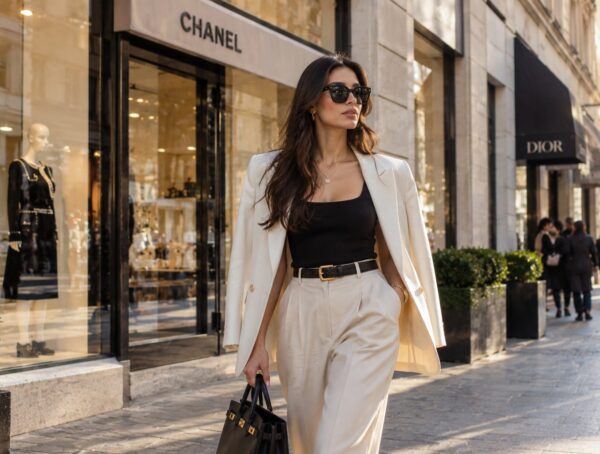
Fashion & Style: The Evolution of Personal Expression in the Digital Age

Fashion has always been a language without words, and in today's hyper-connected world, that language is evolving faster than ever. …
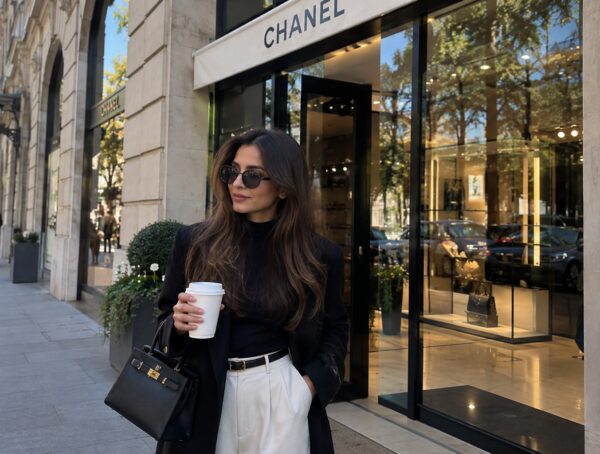
Fashion & Style Ideas: Creating a Distinctive Look That Reflects Your Personality
Style is more than fabric and stitching—it's a silent language that speaks before you even say a word. In a …
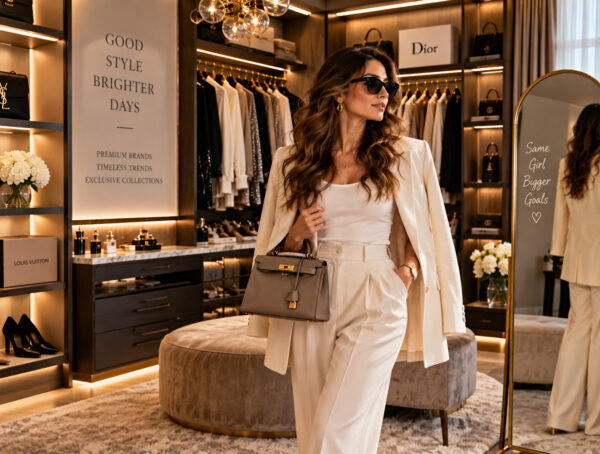
The Ultimate Fashion & Style Guide to Premium Brands, Trends & Exclusive Collections
Fashion is more than fabric and stitching — it's a language that speaks before you say a word. From tailored …