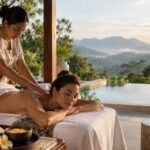








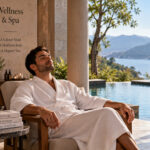


Modern life has changed how people think about rest, health, and personal time. Relaxation is no longer limited to occasional spa visits or weekend breaks. Today, wellness has become a lifestyle shaped by mindful routines, restorative experiences, healthy food, movement, and emotional balance. Luxury wellness retreats are also evolving, offering more personalised ways to relax and recharge. From holistic spa therapies to digital detox programmes, travellers and wellness seekers are looking for experiences that support both body and mind. This growing wellness culture is changing the meaning of luxury, making meaningful recovery as important as comfort, privacy, and beautiful surroundings.
The Rise of Modern Wellness Culture
Wellness culture has expanded far beyond traditional fitness and beauty routines. People increasingly view wellbeing as a combination of physical health, mental clarity, emotional balance, sleep, nutrition, and meaningful connection.
This shift has influenced how people spend their leisure time. Instead of simply choosing a destination for sightseeing, many travellers now consider its wellness offerings before booking a trip.
Wellness retreats are responding to this change by creating experiences that encourage slower living. Guests may combine spa treatments with meditation, healthy dining, nature walks, fitness sessions, and restorative sleep.
The emphasis is also moving from temporary relaxation toward sustainable wellbeing. A retreat may provide techniques that guests can continue using after returning home.
Why Wellness Retreats Are Becoming More Popular
A wellness retreat provides an opportunity to step away from demanding routines. It creates a dedicated environment where rest and personal wellbeing become the main priorities.
Unlike conventional holidays, wellness-focused escapes often follow a more intentional structure. Activities are designed around recovery, movement, nutrition, mindfulness, and relaxation.
Some retreats focus on physical rejuvenation, while others concentrate on stress management, sleep improvement, emotional wellbeing, or personal development.
Luxury wellness retreats have also become more personalised. Guests may receive individual consultations before selecting treatments or activities.
This approach reflects a broader change in travel. People are increasingly seeking experiences that leave them feeling refreshed rather than simply entertained.
Wellness Trends Shaping the Spa Industry
1. Personalised Wellness Experiences
Personalisation is becoming an important part of modern wellness. Instead of offering identical packages to every guest, retreats are creating experiences around individual preferences and goals.
A wellness programme may include customised treatments, dietary preferences, movement sessions, sleep routines, and relaxation practices.
Technology can also support this approach through wellness assessments and wearable devices. These tools can provide information about sleep, activity, and recovery.
However, the focus remains on creating a comfortable experience rather than overwhelming guests with data.
2. Holistic Spa Treatments
Modern spas increasingly take a holistic approach to relaxation. Treatments are designed to create a sense of balance rather than focusing only on appearance.
Massage therapy, aromatherapy, hydrotherapy, meditation, breathwork, body treatments, and gentle movement may be combined within one wellness programme.
The growing popularity of holistic wellness reflects a simple idea. Physical relaxation and mental relaxation often work better when considered together.
This has encouraged spas to create calmer environments using natural materials, quiet spaces, soothing scents, and carefully designed treatment areas.
3. Digital Detox Retreats
Constant connectivity has changed the way people relax. Phones, social media, emails, and notifications can make it difficult to completely disconnect.
Digital detox programmes offer an alternative by encouraging guests to reduce their screen time.
Some retreats limit device usage during certain hours. Others provide technology-free spaces where guests can read, walk, meditate, or simply enjoy quiet surroundings.
The goal is not necessarily to reject technology permanently. Instead, it encourages people to become more conscious of how digital habits affect their attention and relaxation.
4. Sleep-Focused Wellness
Sleep has become a major part of the modern wellness conversation. Many wellness retreats now include experiences designed around better rest and recovery.
These may involve sleep-friendly rooms, calming evening rituals, relaxation treatments, guided meditation, and personalised sleep routines.
Some luxury properties also use lighting, temperature control, and quieter environments to support restful nights.
This trend highlights an important change in wellness culture. Rest is increasingly being treated as an essential part of wellbeing rather than something people fit around their busy schedules.
5. Nature-Based Wellness
Nature continues to play an important role in wellness experiences. Spending time outdoors can provide a break from crowded environments and constant digital stimulation.
Wellness retreats may incorporate forest walks, gardens, outdoor yoga, scenic meditation areas, swimming, hiking, or nature-based therapies.
The setting itself can become part of the experience. Natural surroundings provide space for slower routines and uninterrupted reflection.
This has also influenced luxury hospitality, where wellness spaces increasingly connect indoor treatments with outdoor environments.
What Makes a Luxury Wellness Retreat Different?
Luxury wellness is no longer defined only by expensive accommodation, premium furnishings, or exclusive services.
Today, luxury can also mean privacy, personalisation, time, space, and access to carefully designed experiences.
A high-end wellness retreat may provide private treatment rooms, personalised programmes, specialist practitioners, nutritious cuisine, peaceful surroundings, and flexible schedules.
The experience often feels less like a tightly planned holiday and more like a temporary lifestyle reset.
Privacy is another important element. Private villas, secluded treatment areas, quiet gardens, and personalised dining can make wellness experiences more comfortable.
For many guests, having fewer distractions can be just as valuable as having premium facilities.
The Role of Food in Holistic Wellness
Nutrition has become an essential part of the wellness retreat experience. Food is increasingly treated as part of the overall journey rather than a separate hospitality service.
Wellness-focused menus may include fresh vegetables, whole grains, fruits, lean proteins, plant-based dishes, and carefully selected ingredients.
Some retreats also offer specialised menus based on dietary preferences or nutritional goals.
The trend is moving away from restrictive ideas about healthy eating. Instead, many modern wellness experiences focus on balanced meals that are enjoyable and nourishing.
Mindful dining can also encourage guests to slow down and pay greater attention to what they eat.
Wellness Beyond the Spa Treatment Room
A modern wellness experience does not necessarily end when a massage or facial finishes.
The most complete wellness retreats combine several elements that work together throughout the day.
A typical programme might begin with gentle movement, followed by a nutritious breakfast. Guests may then choose a treatment, outdoor activity, meditation session, or quiet personal time.
Evening routines can include relaxation therapies, healthy meals, breathing exercises, or technology-free activities.
This broader approach demonstrates how wellness is becoming a complete lifestyle experience rather than a single service.
The Future of Wellness Travel
Wellness travel is likely to continue evolving as people become more conscious of how they spend their time.
Future wellness experiences may place greater emphasis on preventative wellbeing, personalisation, mental restoration, sleep, nature, and sustainable practices.
Technology will probably remain part of the industry, but its role may become more carefully balanced. Digital tools can provide useful information without replacing human interaction.
There is also growing interest in experiences that help guests carry healthier habits into everyday life.
The future of wellness may therefore focus less on short-term indulgence and more on practical, lasting changes.
How to Choose the Right Wellness Retreat
Choosing a wellness retreat depends on personal needs rather than simply choosing the most luxurious property.
First, consider the main purpose of the trip. Someone seeking stress relief may prefer meditation and spa therapies, while another person may want fitness, nutrition, or outdoor activities.
It is also useful to examine the programme before booking. Look for details about treatments, practitioners, accommodation, food, activities, and free time.
The atmosphere matters as well. Some people prefer quiet and secluded environments, while others enjoy social wellness programmes.
Most importantly, choose an experience that feels realistic and comfortable. Wellness should support relaxation rather than create another demanding schedule.
Conclusion
Wellness culture is changing the way people understand relaxation. A spa treatment is no longer simply an occasional luxury, while a wellness retreat is no longer just a short escape. Modern wellness combines rest, movement, nutrition, nature, mindfulness, sleep, and personal space into a more complete experience. Luxury is also being redefined around privacy, personalisation, meaningful experiences, and genuine restoration. As wellness trends continue developing, retreats will likely become more focused on long-term wellbeing and everyday balance. Ultimately, the modern approach to relaxation is about creating time to pause, reconnect with yourself, and return to daily life feeling renewed.
Frequently Asked Questions
What are the most popular wellness retreat trends today?
Popular trends include personalised programmes, digital detoxes, sleep-focused experiences, holistic spa treatments, nature-based activities, mindful dining, meditation, and wellness routines designed for long-term lifestyle changes.
How do luxury wellness retreats support holistic wellbeing effectively?
Luxury wellness retreats combine spa therapies, nutritious food, movement, mindfulness, quality sleep, nature, personalised activities, and peaceful surroundings to support physical and emotional relaxation.
What should you consider before booking a wellness retreat?
Consider your wellness goals, retreat programme, accommodation, treatments, food options, location, privacy, activities, practitioner qualifications, daily schedule, and whether the experience suits your personal preferences.

More from Wellness & Spa
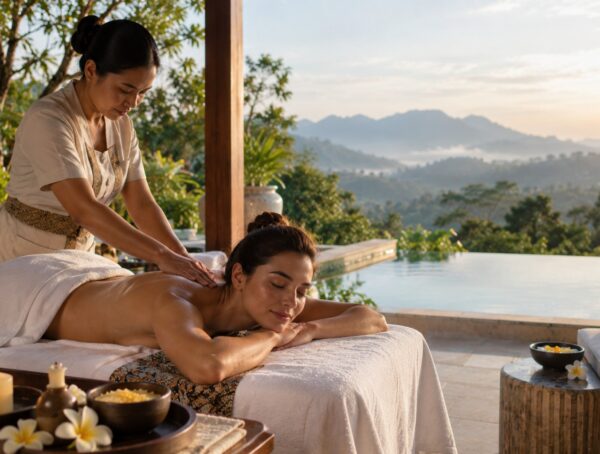
Wellness & Spa Inspiration: Simple Ways to Create a More Relaxing Daily Routine
In a world that never seems to slow down, relaxation has quietly become a luxury we all deserve. From the …
Wellness & Spa: Exploring Mindful Living, Rest & Self-Care

In today's fast-paced world, slowing down feels almost radical. Between endless notifications, packed schedules, and the pressure to always be …
Wellness & Spa Guide: Top Retreats, Emerging Trends & Holistic Luxury
Modern life moves fast, and rest has become a rare luxury rather than a daily habit. That's why the wellness …