





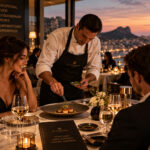






Fine dining travel is more than a passing trend—it has become a way of life for people who believe a destination is best understood through its plate. From Michelin-starred restaurants tucked into cobblestone alleys to family-run kitchens serving century-old recipes, food has quietly become one of the most powerful lenses for exploring culture. Today’s travelers aren’t just chasing landmarks; they’re building entire itineraries around tasting menus, bustling local markets, and intimate chef-led experiences. This blog looks at what makes fine dining travel so rewarding, how it connects visitors to local traditions, and practical ways to plan a trip that satisfies both your appetite for adventure and your love of gourmet cuisine.
What Makes Fine Dining Travel Different
Ordinary travel focuses on sights—monuments, museums, beaches. Fine dining travel shifts the focus to flavors, techniques, and the stories behind a region’s food. It’s the difference between photographing a market and actually sitting down to eat what that market produces. A plate of food carries history: the spices that arrived through ancient trade routes, the farming methods passed down through generations, the way a coastal town cooks fish differently than a mountain village fifty miles away.
This is precisely why fine dining travel appeals to such a wide range of people. Some travelers are drawn to the theatre of a tasting menu, where each course is a small performance. Others simply want to understand a culture through its everyday meals—street food stalls, neighborhood bakeries, or a grandmother’s Sunday recipe. Both experiences fall under the same idea: food as a doorway into a place’s identity.
Why Culinary Culture Matters When You Travel
Every region tells its story through ingredients. A tomato in southern Italy is not the same experience as a tomato grown in a greenhouse elsewhere; the soil, climate, and centuries of agricultural knowledge shape its taste. When travelers pay attention to this, meals stop being just refueling stops and become genuine cultural encounters.
Culinary culture also reflects a community’s values. Communal dining in parts of the Middle East and North Africa emphasizes hospitality and sharing. The precision and seasonality behind Japanese kaiseki meals reflect respect for nature and restraint. Understanding these philosophies deepens the experience far beyond simply enjoying good food—it offers insight into how a society thinks about time, family, and generosity.
For anyone serious about fine dining travel, learning even a little about local food customs before arriving—how meals are structured, what dishes are considered celebratory versus everyday, and appropriate table etiquette—can turn a good trip into an unforgettable one.
Top Experiences That Define Fine Dining Travel
While every destination offers its own culinary personality, certain experiences consistently define great fine dining travel:
Chef’s Table Experiences Sitting close to an open kitchen, watching a dish come together course by course, adds a layer of storytelling that a regular dinner table simply can’t match. Many top restaurants now offer these seats specifically for travelers who want an immersive, behind-the-scenes view of the culinary process.
Local Markets and Food Tours Before a tasting menu ever reaches the table, its ingredients often begin at a local market. Wandering through stalls of fresh produce, spices, and seafood—guided by a local expert—gives travelers context for the meals they’ll enjoy later, making the entire experience feel connected rather than isolated.
Farm-to-Table and Vineyard Visits Increasingly, fine dining travel includes short excursions to the source: vineyards, olive groves, cheese farms, and fishing villages. These visits let travelers see, and sometimes participate in, the process behind their meal, adding authenticity that a restaurant setting alone cannot provide.
Regional Tasting Menus Many acclaimed restaurants design menus specifically around local, seasonal ingredients, offering travelers a curated, chef-interpreted version of a region’s cuisine in a single sitting—an efficient and memorable way to sample a destination’s culinary range.
How to Plan the Perfect Fine Dining Travel Itinerary
Planning a trip centered on food requires a slightly different approach than typical sightseeing travel. Here are a few practical steps:
- Research Before You Book Flights Look into a destination’s signature dishes, dining customs, and seasonal specialties before finalizing your trip dates. Some ingredients—truffles, certain seafood, specific fruits—are only available during particular months, and timing your visit around them can make a significant difference.
- Reserve Ahead Many top establishments require reservations weeks or even months in advance. If a specific chef’s table or tasting menu is central to your plans, book it as early as possible.
- Balance Fine Dining With Street-Level Eating A well-rounded fine dining travel itinerary doesn’t mean every meal needs to be a formal, multi-course event. Pairing an elegant dinner with a casual lunch at a neighborhood spot often gives a fuller picture of a region’s food culture.
- Leave Room for Spontaneity Some of the best culinary discoveries happen by accident—a small bakery with a line of locals, a market vendor recommending a dish you’ve never heard of. Building flexibility into your schedule allows space for these unplanned moments.
- Travel With an Open Palate Approaching unfamiliar dishes with curiosity rather than hesitation often leads to the most memorable meals. Fine dining travel rewards those willing to step outside familiar comfort zones.
Tips for Experiencing Local Flavors Authentically
To get the most out of any culinary journey, consider these approaches:
- Ask Locals, Not Just Guidebooks: Restaurant staff, taxi drivers, and shop owners often know hidden gems that don’t appear in travel guides.
- Learn a Few Food-Related Phrases: Knowing how to ask about ingredients or express dietary preferences in the local language can open doors to better recommendations and warmer service.
- Respect Regional Dining Etiquette: Table manners vary widely—understanding these nuances shows respect and often enhances the overall experience.
- Document Thoughtfully: While photos are wonderful keepsakes, take a moment to actually taste and appreciate each dish before reaching for your camera.
The Growing Appeal of Fine Dining Travel
As travelers increasingly seek meaningful, experience-driven trips over checklist tourism, fine dining travel continues to grow in popularity. It offers something rare: a way to slow down, engage multiple senses, and connect with a place on a deeper level. Restaurants and destinations have taken notice, with more regions actively promoting culinary tourism through food festivals, cooking classes, and collaborations between local farmers and renowned chefs.
This shift reflects a broader change in how people travel. Rather than rushing between attractions, many now prefer lingering over a meal, learning its backstory, and understanding the hands and traditions behind it. It’s this shift that has made fine dining travel one of the most enriching ways to explore the world.

More from Fine Dining & Gourmet
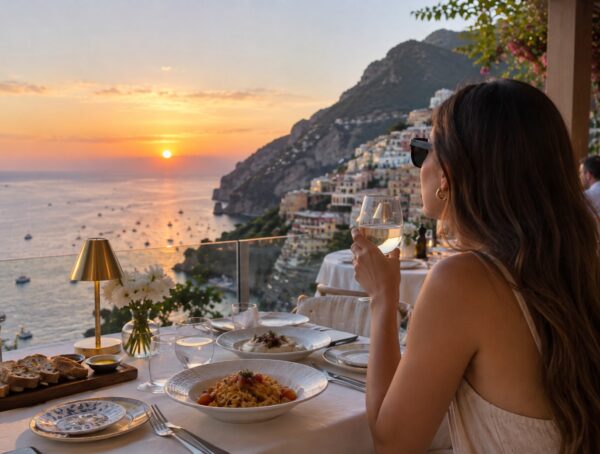
How Can Traveller Experience the World Through Luxury Dining and Gourmet Cuisine

Travel today is no longer just about ticking off landmarks or capturing postcard-perfect photographs. For a growing number of discerning …
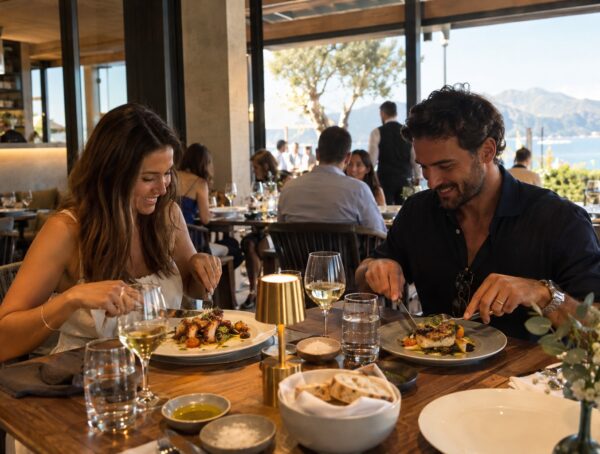
Fine Dining & Gourmet Experiences: Discover the Art of Exceptional Cuisine
There's a moment in every extraordinary meal when flavor stops being just sustenance and becomes something closer to storytelling. Fine …
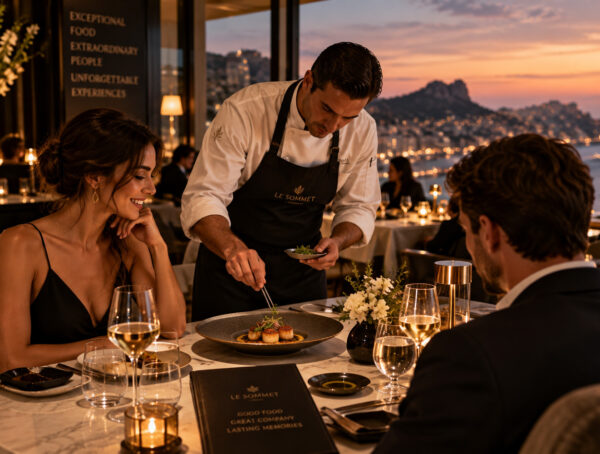
Exploring Fine Dining & Gourmet: Exceptional Restaurants, Chefs & Unique Experiences
There is something magnetic about walking into a restaurant where every detail feels deliberate — the lighting, the linen, the …