











There’s a moment in every extraordinary meal when flavor stops being just sustenance and becomes something closer to storytelling. Fine dining isn’t merely about expensive ingredients or elegant plating—it’s a carefully choreographed experience that engages every sense. From the ambiance of a candlelit dining room to the precision of a perfectly seared scallop, gourmet cuisine invites diners into a world where creativity meets craftsmanship. Whether you’re a seasoned food enthusiast or someone seeking a memorable evening, understanding what makes fine dining special can transform how you experience food. This blog explores the restaurants, chefs, and unique culinary experiences shaping the modern gastronomic landscape.
The Philosophy Behind Fine Dining Culture
At its core, fine dining is a philosophy rather than a price tag. It’s built on intention—every ingredient, technique, and design choice serves a purpose. Exceptional restaurants prioritize freshness, seasonality, and precision, often partnering directly with local farmers, fishermen, and artisan producers to guarantee quality from farm to plate.
The difference between a good meal and an unforgettable one lies in the details. Texture contrasts, temperature balance, and the rhythm of courses all shape a cohesive dining narrative. Service plays an equally vital role, elevated into an art form where staff anticipate guest needs quietly, guiding the evening with warmth, confidence, and expertise rather than formality alone.
This philosophy extends beyond the kitchen. Lighting, table spacing, music, and even the weight of cutlery are considered variables in the overall experience, reflecting a belief that dining should stimulate more than just taste.
Restaurants Setting New Benchmarks in Gastronomy
Certain restaurants have become synonymous with culinary excellence—not only for their food, but for the complete sensory journey they deliver. These establishments often merge architecture, interior design, and cuisine into a single, immersive experience.
A growing number of top-tier restaurants now build menus around hyper-local sourcing, using ingredients grown or caught within a small radius of their kitchen. This farm-to-table approach isn’t simply trendy; it reflects a deeper respect for seasonality and environmental responsibility. Meanwhile, other establishments craft globally inspired tasting menus, guiding diners through multiple culinary traditions within one seamless sitting.
Small, reservation-only restaurants have also gained popularity, often seating just a dozen guests per night. This exclusivity allows chefs to focus intensely on execution, creating personal, detail-driven meals where diners frequently interact directly with the culinary team. The result feels less like a transaction and more like an invitation into someone’s creative vision.
The Chef’s Journey: Passion Turned into Mastery
Behind every remarkable dish stands a chef whose vision shapes the entire dining experience. Today’s leading chefs function as artists and innovators as much as cooks, often training under culinary legends before developing distinct signature styles that blend classical technique with modern experimentation.
Some chefs embrace molecular gastronomy, applying scientific methods to reimagine texture and presentation in unexpected ways. Others champion simplicity, proving that a few perfect ingredients, handled with restraint and respect, can outshine elaborate preparations. A growing number of chefs also prioritize sustainability, adopting nose-to-tail and root-to-stem cooking to minimize waste and honor every part of an ingredient.
What unites these culinary leaders is relentless curiosity and a willingness to take creative risks. Many treat their kitchens as laboratories, constantly refining dishes to surprise returning guests. Their influence often extends beyond the plate, as many mentor emerging chefs and champion underrepresented culinary traditions.
Signature Experiences That Elevate a Meal
Beyond exceptional food, many restaurants curate entire experiences that linger long after the final course. Chef’s table seating, for example, places diners directly within the kitchen, allowing them to watch dishes come together while conversing with the culinary team—turning dinner into live theater.
Tasting menus paired with wine or cocktail flights have become a hallmark of gourmet dining, letting guests explore complementary flavors course by course. Some restaurants push further with multi-sensory dinners that weave in music, lighting, and storytelling to deepen emotional connection with the meal.
Destination dining—rooftop restaurants, vineyard dinners, or oceanside tasting menus—adds another layer by pairing outstanding food with equally striking surroundings. Traveling chef pop-ups offer similar exclusivity, bringing rare culinary talent to cities that might not otherwise experience it.
Interactive formats, where guests help plate, forage, or cook alongside the chef, are also gaining momentum, shifting dining from passive enjoyment to active participation.
Tips for Selecting Your Next Gourmet Outing
With countless options available, choosing the right restaurant depends on the kind of experience you’re seeking. Some diners crave innovative, boundary-pushing cuisine, while others prefer elevated, comforting versions of familiar dishes. The occasion matters too—celebratory dinners often suit elaborate tasting menus, while intimate date nights may call for quieter, more personal settings.
Researching a chef’s philosophy and signature techniques beforehand can deepen appreciation during the meal itself. Understanding the inspiration behind a dish adds context, transforming each course from simple sustenance into a reflection of culture, creativity, and craftsmanship.
Conclusion
Fine dining is more than a meal; it’s an experience that engages creativity, culture, and craftsmanship in equal measure. From visionary chefs pushing culinary boundaries to restaurants curating unforgettable atmospheres, gourmet cuisine offers something for every kind of food lover. Whether you’re drawn to intimate chef’s tables, immersive tasting menus, or destination dining under the stars, each experience adds a new layer of appreciation for the art of cooking. As culinary trends continue evolving, one thing remains constant: exceptional dining is about connection—between chef and diner, ingredient and technique, memory and moment. Exploring these experiences enriches not just your palate, but your understanding of food as art.
Frequently Asked Questions
What defines a restaurant as “fine dining” today?
Fine dining is defined by meticulous ingredient sourcing, refined technique, attentive service, and thoughtfully curated atmosphere, creating a cohesive, memorable experience beyond just the food served.
How do chefs create unique, memorable dining experiences?
Chefs blend creativity, storytelling, and technical skill, often incorporating interactive elements, seasonal ingredients, and personal narratives to transform meals into immersive, emotionally engaging culinary journeys for guests.
Are tasting menus worth trying for first-time fine diners?
Yes, tasting menus offer curated variety, allowing newcomers to sample a chef’s signature techniques and flavors across multiple courses without committing to a single dish.

More from Fine Dining & Gourmet
How Can Traveller Experience the World Through Luxury Dining and Gourmet Cuisine
Travel today is no longer just about ticking off landmarks or capturing postcard-perfect photographs. For a growing number of discerning …
Fine Dining & Gourmet Travel: Exploring Local Flavors and Culinary Cultures

Fine dining travel is more than a passing trend—it has become a way of life for people who believe a …
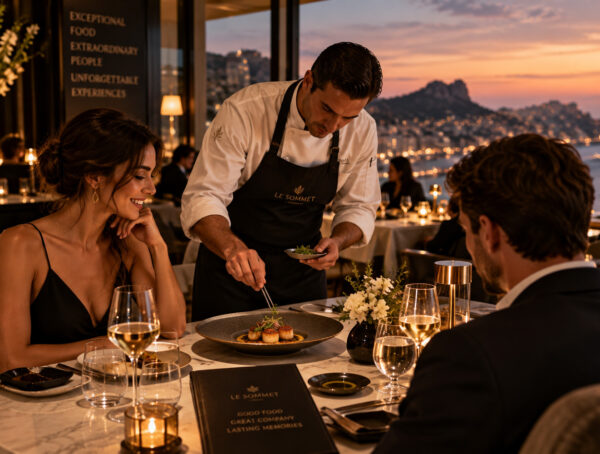
Exploring Fine Dining & Gourmet: Exceptional Restaurants, Chefs & Unique Experiences
There is something magnetic about walking into a restaurant where every detail feels deliberate — the lighting, the linen, the …