





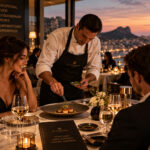






There is something magnetic about walking into a restaurant where every detail feels deliberate — the lighting, the linen, the quiet clink of glassware, the anticipation before the first course arrives. This is the world of fine dining, where food becomes an art form and a meal becomes a memory. It’s not just about eating; it’s about experiencing flavor, craftsmanship, and hospitality at their highest expression. In this blog, we’ll explore what sets fine dining apart, the chefs who shape it, and the unique experiences that keep food lovers coming back for more.
What Makes Fine Dining Truly Different
At its core, fine dining is defined by intention. Every element on the plate is chosen for a reason, every technique is refined through years of practice, and every dish tells a story. Unlike casual eateries where speed and convenience take priority, fine dining restaurants slow things down. They invite guests to savor rather than rush, to notice textures and aromas, and to appreciate the balance between simplicity and complexity.
This category of dining also places enormous value on sourcing. Ingredients are often seasonal, locally grown, or imported from regions known for a specific specialty — think truffles from Alba, saffron from Kashmir, or Wagyu beef from Japan. The result is a menu that changes with the seasons and reflects the freshest possible flavors available at any given time.
Presentation matters just as much as taste. Plates are composed like small works of art, with color, height, and negative space all playing a role in the overall impression. In fine dining, the visual experience is inseparable from the culinary one.
The Chefs Behind the Magic
Behind every extraordinary fine dining restaurant is a chef who treats cooking as both craft and philosophy. These culinary artists spend years training under mentors, mastering techniques ranging from classical French methods to modern molecular gastronomy. Many chefs travel extensively to study global cuisines, bringing back influences that they reinterpret through their own creative lens.
What distinguishes a great fine dining chef isn’t just technical skill — it’s vision. The best chefs use food as a medium of storytelling, crafting tasting menus that take diners on a narrative journey, often reflecting personal history, cultural heritage, or a particular philosophy about sustainability and seasonality. A tasting menu might begin with a delicate amuse-bouche that hints at what’s to come, build through progressively richer courses, and close with a dessert that ties the entire experience together.
Many chefs also embrace innovation as a way of keeping fine dining exciting. Techniques like sous-vide cooking, foams, spherification, and smoking have moved from experimental kitchens into mainstream fine dining menus, giving chefs new tools to surprise and delight their guests.
Ambiance and Service: The Silent Ingredients
A fine dining experience is never just about the food — it’s about the entire atmosphere surrounding it. Lighting is often warm and intimate, designed to create a sense of occasion without being overpowering. Interior design frequently reflects the restaurant’s culinary identity, whether that’s minimalist Scandinavian elegance or opulent, art-filled grandeur.
Service in fine dining restaurants is equally choreographed. Servers are trained not just to deliver food, but to anticipate needs, explain dishes with genuine knowledge, and create a rhythm to the meal that feels effortless. The best service is often invisible — attentive without being intrusive, present exactly when needed and unobtrusive otherwise.
Together, these elements create an environment where guests can fully immerse themselves in the meal, free from distraction. This holistic approach is part of why fine dining continues to be seen as a special occasion experience, whether it’s a milestone celebration, a business dinner, or simply a treat for food enthusiasts.
Unique and Immersive Dining Experiences
Modern fine dining has expanded far beyond the traditional formal restaurant setting. Today, many establishments are reimagining what a gourmet meal can look like, blending culinary excellence with theater, art, and even technology.
Chef’s Table Experiences: Guests are seated directly in or near the kitchen, watching chefs prepare each course while receiving personal explanations of techniques and inspirations. This intimate format transforms dinner into an interactive performance.
Tasting Menus with Wine Pairings: Multi-course tasting menus paired with carefully selected wines allow diners to explore complementary flavor profiles, often guided by a sommelier who explains why each pairing was chosen.
Pop-Up and Collaborative Dinners: Renowned chefs increasingly host limited-time pop-up dinners, sometimes collaborating with chefs from other countries or cuisines, offering guests a once-in-a-lifetime fusion menu.
Farm-to-Table Immersive Dinners: Some fine dining establishments now host meals directly on the farms or gardens where their ingredients are grown, allowing guests to connect with the origin of their food in a deeply personal way.
Molecular Gastronomy Showcases: Restaurants specializing in experimental cuisine use scientific techniques to transform textures and presentations, turning familiar ingredients into surprising new forms.
These experiences highlight how fine dining has evolved from a purely culinary pursuit into a multi-sensory adventure, engaging sight, smell, touch, and even sound alongside taste.
The Art of Pairing: Wine, Spirits, and Beyond
No exploration of fine dining is complete without discussing beverage pairing. Sommeliers play a crucial role in elevating the dining experience, selecting wines that enhance rather than compete with each dish’s flavor profile. A well-paired wine can bring out subtle notes in a dish that might otherwise go unnoticed, while a mismatched pairing can dull even the most skillfully prepared plate.
Beyond wine, many fine dining restaurants now offer curated cocktail pairings, artisanal tea selections, or even non-alcoholic pairing menus using house-made shrubs, kombuchas, and infusions. This expansion reflects a broader trend toward inclusivity, ensuring that every guest — regardless of drinking preference — can enjoy a thoughtfully paired meal.
How to Choose the Right Fine Dining Restaurant
With so many exceptional options available, choosing where to enjoy your next fine dining experience can feel overwhelming. A few factors can help guide the decision. Consider the chef’s background and culinary philosophy, as this often shapes the entire menu’s character. Look into whether the restaurant specializes in a particular cuisine or offers a more eclectic, globally inspired menu.
It’s also worth researching the type of experience offered — some fine dining restaurants focus purely on exceptional food in an elegant setting, while others emphasize theatrical presentation or interactive elements like open kitchens. Reading about seasonal menu changes can also indicate a restaurant’s commitment to freshness and creativity.
Finally, consider the occasion. Some fine dining establishments are perfect for quiet, intimate dinners, while others are designed for celebratory group gatherings. Matching the restaurant’s atmosphere to the purpose of your visit ensures the entire experience feels cohesive and memorable.
Final Thoughts
Fine dining represents far more than an expensive meal — it’s a celebration of craftsmanship, creativity, and connection. From the chefs who pour years of expertise into every dish to the servers who anticipate every need, every element works together to create something truly special. As culinary trends continue to evolve, fine dining remains a space where tradition and innovation meet, offering diners unforgettable experiences that go well beyond the plate.
Whether you’re planning a special celebration or simply seeking a new culinary adventure, exploring the world of fine dining promises moments of genuine indulgence, discovery, and delight.

More from Fine Dining & Gourmet
How Can Traveller Experience the World Through Luxury Dining and Gourmet Cuisine

Travel today is no longer just about ticking off landmarks or capturing postcard-perfect photographs. For a growing number of discerning …
Fine Dining & Gourmet Experiences: Discover the Art of Exceptional Cuisine
There's a moment in every extraordinary meal when flavor stops being just sustenance and becomes something closer to storytelling. Fine …
Fine Dining & Gourmet Travel: Exploring Local Flavors and Culinary Cultures
Fine dining travel is more than a passing trend—it has become a way of life for people who believe a …